
When birth injury & obstetric malpractice may become malpractice
The legal analysis is not simply whether something went wrong. It asks what standard of practice or care applied to the health professional or facility, what the records show happened, whether that standard was breached, and whether the breach more probably than not caused the injury.
That usually requires a complete clinical timeline and review by qualified medical professionals before a lawsuit is filed.
Evidence to preserve
- Hospital and office medical records
- Imaging, pathology and laboratory results
- Medication and order history
- Patient-portal messages and discharge instructions
- Records from later treating providers
- A personal timeline of symptoms, calls and follow-up
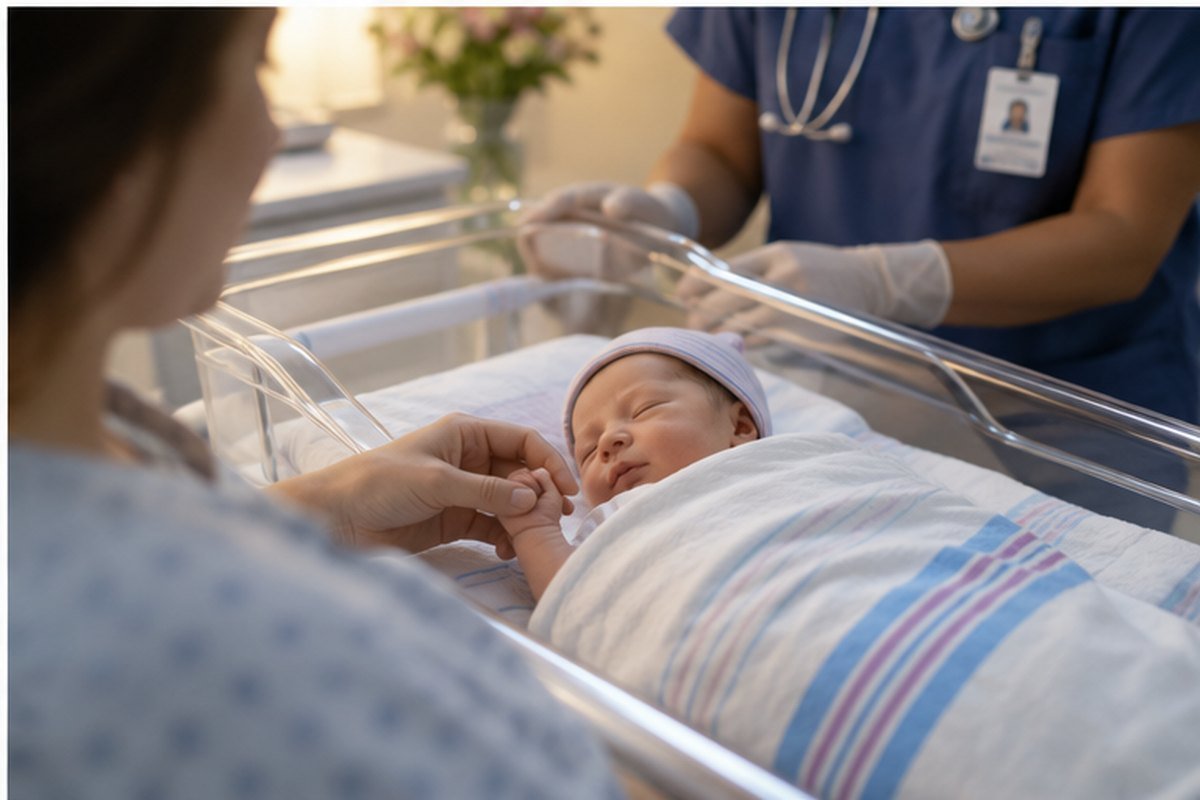
Michigan filing rules matter early
Michigan medical malpractice law generally requires pre-suit notice and an affidavit of merit at filing. Statutes of limitation and repose can bar a case even when the underlying medical issues are significant. Because those rules can interact in complicated ways, case review should start well before a suspected deadline.
Frequently Asked Questions
What birth injuries may lead to a malpractice investigation?
Examples include neurologic injury, hypoxic-ischemic injury, brachial plexus injury, maternal hemorrhage and injuries associated with delayed response to fetal distress. Each case depends on the records and medical evidence.
What records are reviewed in a birth injury case?
Prenatal records, fetal monitoring strips, labor and delivery notes, medication records, operative reports, neonatal records, imaging, laboratory results and later developmental records may be relevant.
Are birth injury deadlines different for children?
Michigan has special rules that can affect claims involving minors, but they are technical and should not be assumed to extend every deadline. A lawyer should calculate the deadline from the specific facts.